
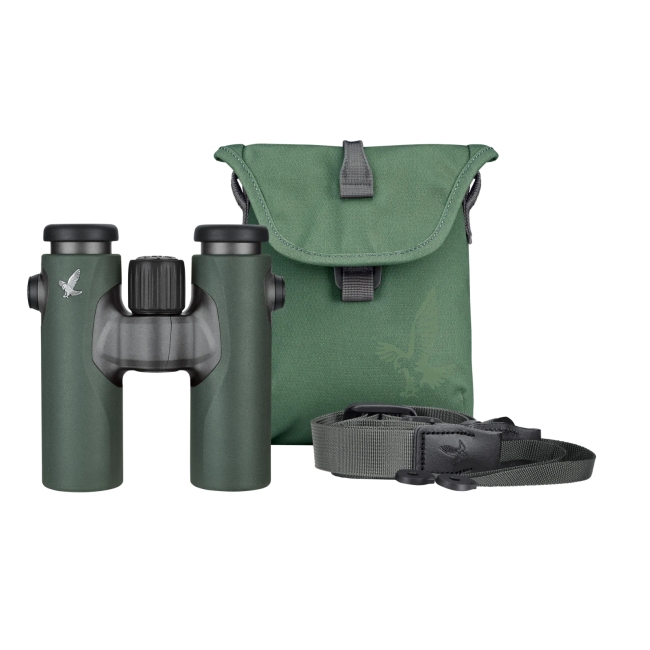


Swarovski - CL Companion 10x30
As low as
R 29,000.00
Availability:
In stock
Only %1 left
SKU
CLC1030
Description:
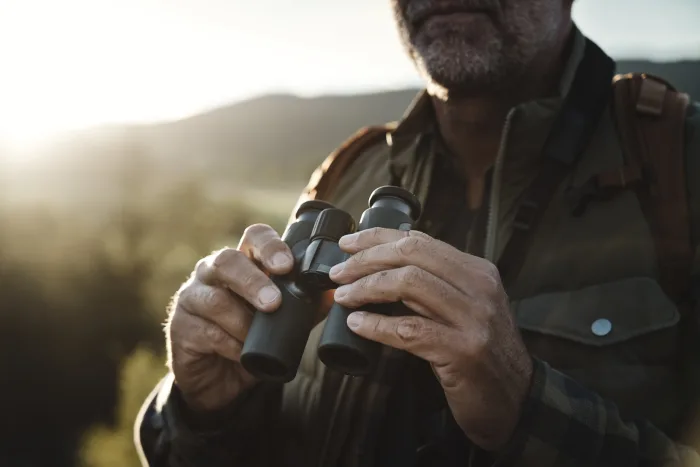
See every crucial detail with the CL Companion 10x30. Improved optics with 10x magnification bring you closer to nature. The ergonomic design of these compact, lightweight (500 g/17.6 oz) binoculars makes them an excellent companion providing you with unique experiences when you’re on the move.
Technical Specifications:
Color:
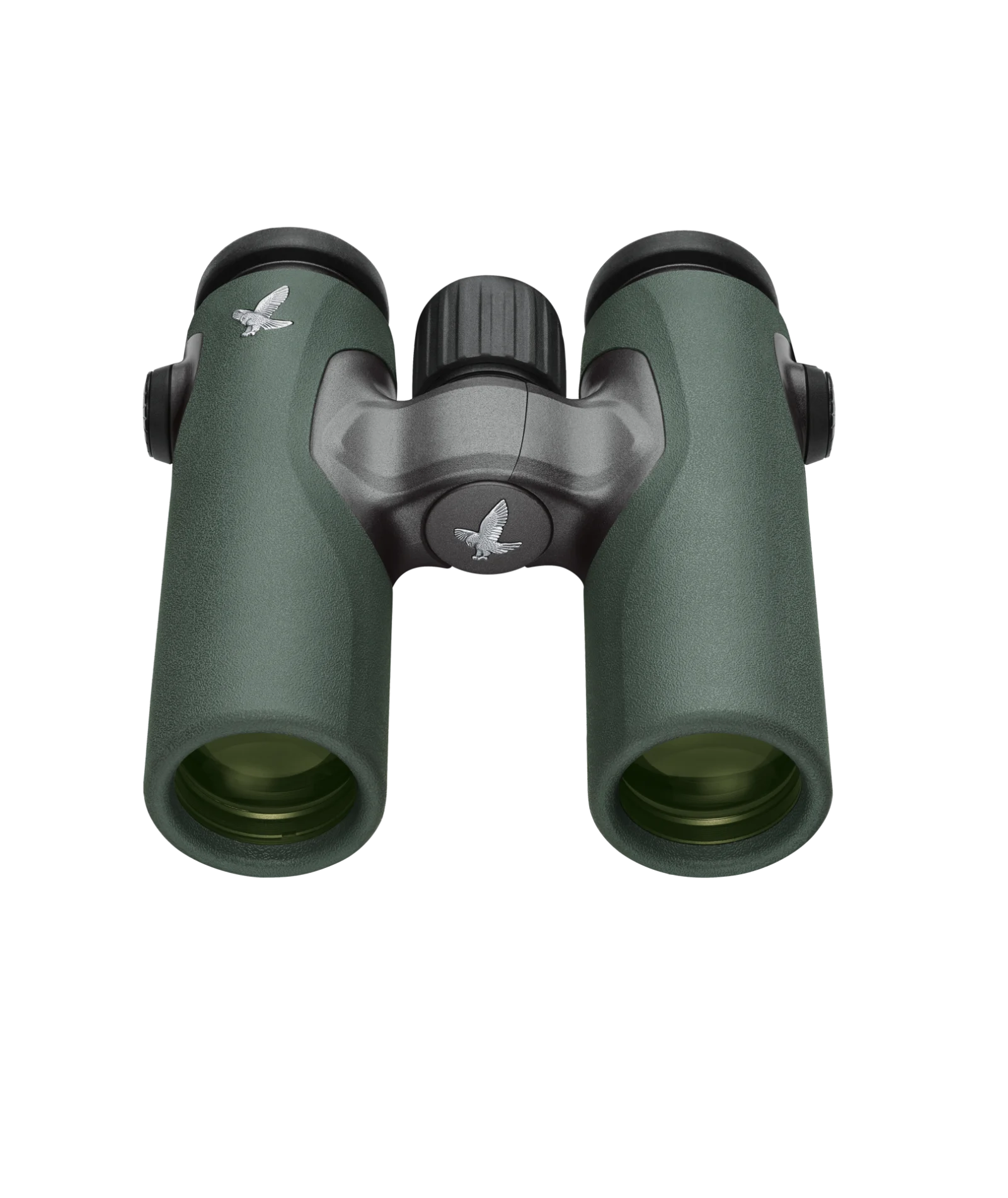
Green
OR
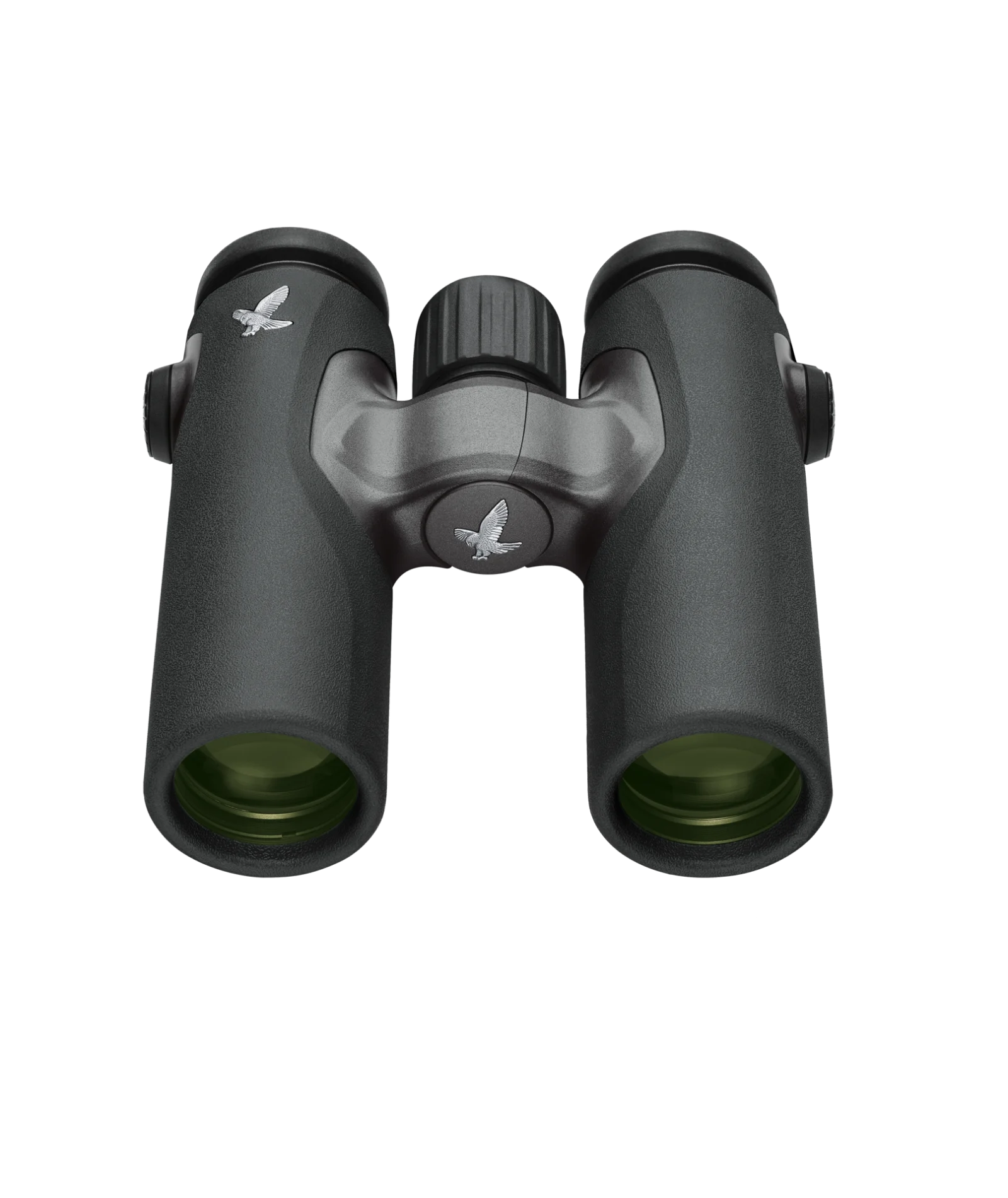
Anthracite
Size & Weight:
| 127 mm Length in mm. |
118 mm Width in mm. |
| 55 mm Height in mm. |
500 g Weight |
Objective:
| 10x Magnification |
30 mm Effective objective lens diameter |
| 3 mm Exit pupil diameter |
16 mm exit-pupil-distance-eye-relief-mm |
| 108 m/1000m Field of view m at 1000m / ft at 1,000yds |
6.2 ° Field of view degrees |
| 6.2 ° Field of view with eye glasses (°) |
58 ° Field of view apparent |
| 3 m Shortest focusing distance |
± 4 dpt Diopter adjustment |
| >5 dpt Diopter correction at ∞ |
90 % Light transmission |
| 55-74 mm Pupil distance |
17.3 Twilight factor acc. to ISO 14132-1 |
Environment & Conditions:
| -25 to +55 °C Functional temperature |
-30 to +70 °C Storage temperature |
| 13 ft / 4 m water depth (inert gas filling) Submersion tightness |
What to consider when choosing your binoculars:
MAGNIFICATION

The magnification specifies the factor by which an object appears to be closer in comparison with the actual distance. The higher the magnification, the closer the object seems to be. However, a higher magnification also means a smaller field of view. Check the precise product name as the number in front of the ‘x’ specifies the magnification. For example, 10x42 is a device with 10x magnification.
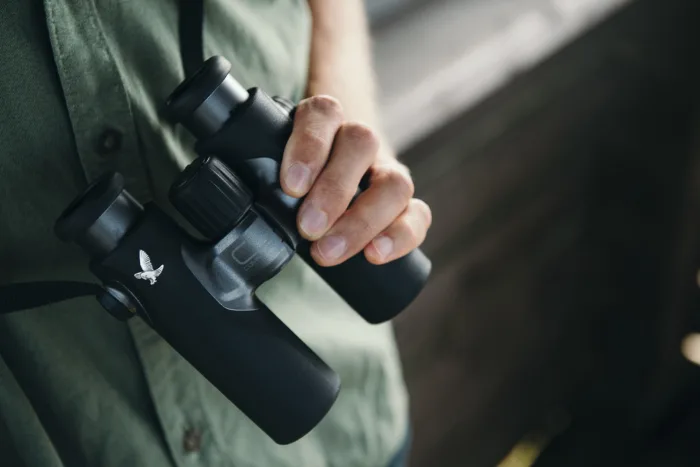
FIELD OF VIEW

The field of view describes the size of the image section that can be seen through the optics. This is specified either in meters (width) at a distance of 1000 meters (m/1000m), or feet (width) at a distance of 1000 yards (ft/1000 yds), or as an angle (degrees). The higher the magnification, the smaller the field of view.
Binoculars have a large field of view, which means you can see a wide area. Spotting scopes have a higher magnification, which makes the field of view much smaller, but you can see more detail.
OBJECTIVE LENS DIAMETER

The objective lens diameter specifies how much light can enter the optics. This makes it a key factor in an instrument’s performance, for example, in twilight. The bigger the objective lens diameter, the more light the objective lens can capture. The darker the surroundings, the larger the objective lens diameter needs to be. Check the precise product name as the number after the ‘x’ specifies the objective lens diameter in millimeters. For example, a device with the suffix 10x42 has an objective lens with a diameter of 42 mm.
SHORTEST FOCUSING DISTANCE

The shortest focusing distance specifies how close an object needs to be to see it clearly with the optics. Between this value and infinity, it is possible to focus the image.
More Information
| Exportable products | No |
|---|
Reviews
Write Your Own Review