
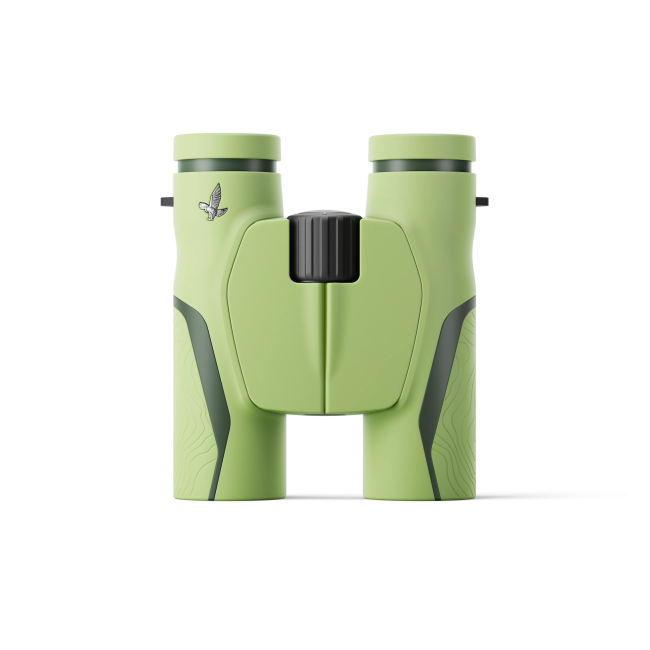


Swarovski - MY Junior 7x28
As low as
R 11,000.00
Availability:
In stock
Only %1 left
SKU
MJ728
Description:
The MY JUNIOR binoculars allow children to easily discover more. With 7x magnification and a 28 mm objective lens diameter, these compact companions allow jitter-free observation in SWAROVSKI OPTIK quality. They guarantee an immediate “WOW!” effect by making it easier than ever to immediately observe and explore. Whether out on their first independent expeditions or experiencing nature with the grown-ups: the rugged MY JUNIOR binoculars will be trusted companions on children’s adventures.
Technical Specifications:
Color:
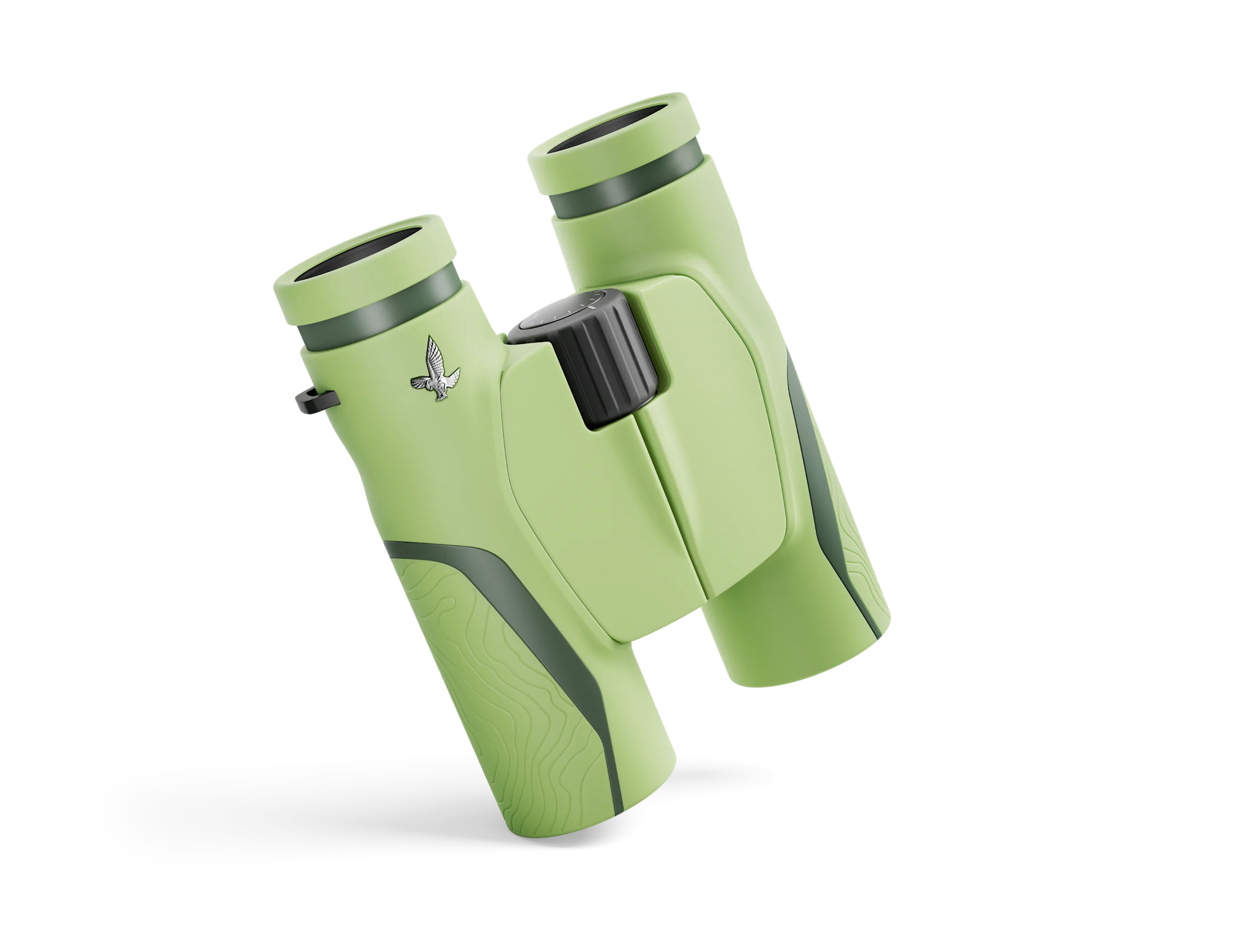
Jungle-Green
OR
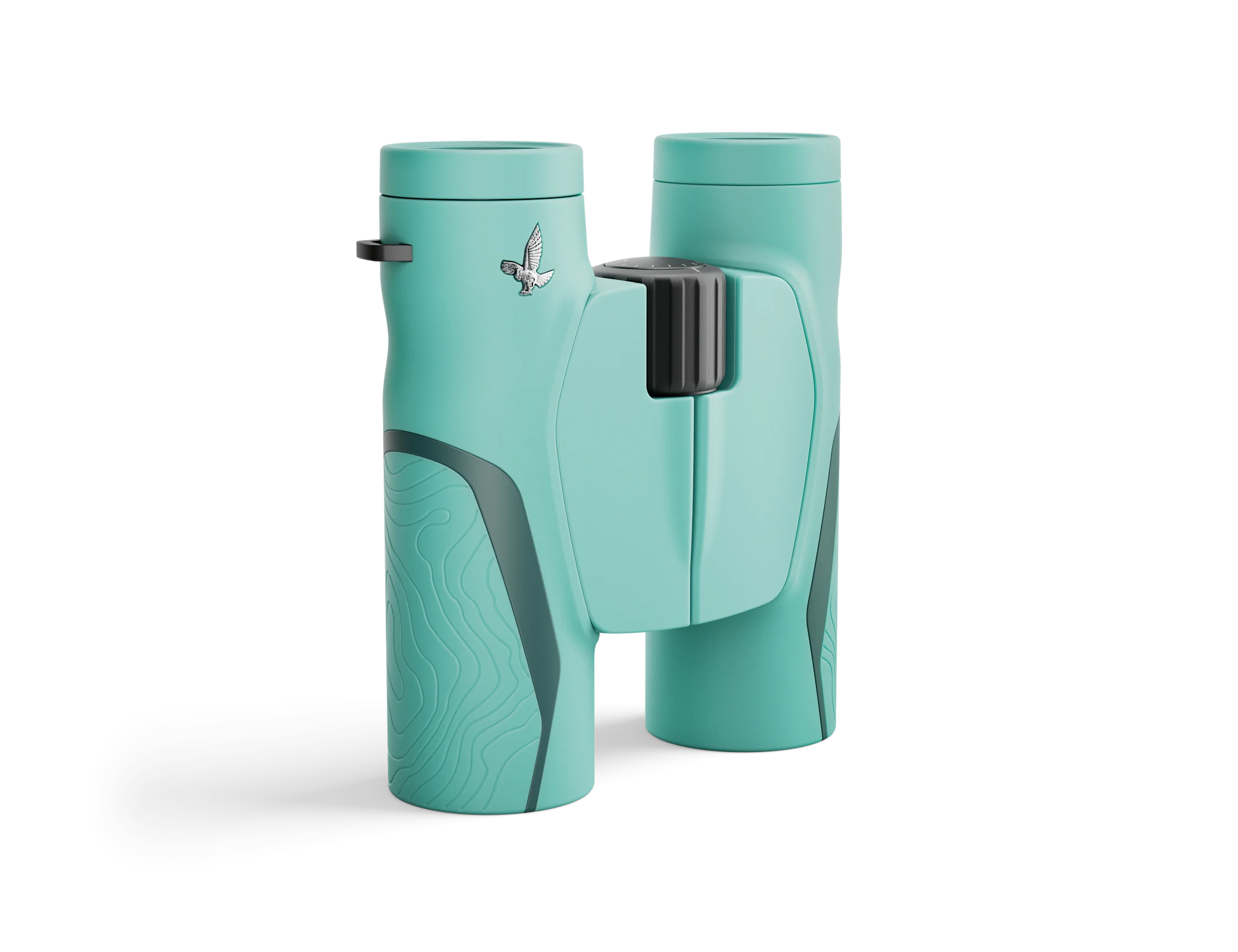
Glacier-Blue
Size & Weight:
| 125 mm Length in mm. |
100 mm Width in mm. |
| 56 mm Height in mm. |
480 g Weight |
Environment & Conditions:
| -10 to +55 °C Functional temperature |
-30 to +70 °C Storage temperature |
| 5 ft / 1,5 m water depth (inert gas filling) Submersion tightness |
Objective:
| 7x Magnification |
28 mm Effective objective lens diameter |
| 4 mm Exit pupil diameter |
18 mm exit-pupil-distance-eye-relief-mm |
| 126 m/1000m Field of view m at 1000m / ft at 1,000yds |
7.2° Field of view degrees |
| 7.2° Field of view with eye glasses (°) |
50° Field of view apparent |
| 4 m Shortest focusing distance |
89 % Light transmission |
| 50-69 mm Pupil distance |
14.0 Twilight factor acc. to DIN-58388 |
| >3dpt Diopter correction at ∞ |
Binoculars that make viewing child’s play:
Weighing just 480 g (16.9 oz), the MY JUNIOR binoculars are exceptionally light. Their design is tailored specifically to the viewing needs of young people: simply pick them up and start exploring. The MY JUNIOR binoculars are ideal for children between 6 and 14 years of age.
Equipped for every adventure:
Thanks to their exceptionally rugged and child-friendly design, the MY JUNIOR binoculars promise many years of enjoyment.
Simply see more:
With the MY JUNIOR binoculars, children can see subjects 7 times closer than with the naked eye. The 28 mm objective lens diameter captures enough light to observe well into the evening. The large field of view provides an image section of 126 m/1,000 m.
Record your own discoveries:
The MY JUNIOR Nature Notes supplied allow children to record their own discoveries. The little hawk accompanies them and gives them tips to help them put their experiences down on paper.
The colorful highlight:
MY JUNIOR is available in the striking colors of glacier blue or jungle green .
WHAT TO CONSIDER WHEN CHOOSING SWAROVSKI:
MAGNIFICATION

The magnification specifies the factor by which an object appears to be closer in comparison with the actual distance. The higher the magnification, the closer the object seems to be. However, a higher magnification also means a smaller field of view. Check the precise product name as the number in front of the ‘x’ specifies the magnification. For example, 10x42 is a device with 10x magnification.
FIELD OF VIEW

The field of view describes the size of the image section that can be seen through the optics. This is specified either in meters (width) at a distance of 1000 meters (m/1000m), or feet (width) at a distance of 1000 yards (ft/1000 yds), or as an angle (degrees). The higher the magnification, the smaller the field of view.
Binoculars have a large field of view, which means you can see a wide area. Spotting scopes have a higher magnification, which makes the field of view much smaller, but you can see more detail.
OBJECTIVE LENS DIAMETER

The objective lens diameter specifies how much light can enter the optics. This makes it a key factor in an instrument’s performance, for example, in twilight. The bigger the objective lens diameter, the more light the objective lens can capture. The darker the surroundings, the larger the objective lens diameter needs to be. Check the precise product name as the number after the ‘x’ specifies the objective lens diameter in millimeters. For example, a device with the suffix 10x42 has an objective lens with a diameter of 42 mm.
SHORTEST FOCUSING DISTANCE

The shortest focusing distance specifies how close an object needs to be to see it clearly with the optics. Between this value and infinity, it is possible to focus the image.
More Information
| Exportable products | No |
|---|
Reviews
Write Your Own Review